




Can Planar Transformer be used in inverters?
 Oct 29, 2025|
 Hey there! As a supplier of planar transformers, I often get asked if these nifty devices can be used in inverters. Well, let's dive right into it and find out.
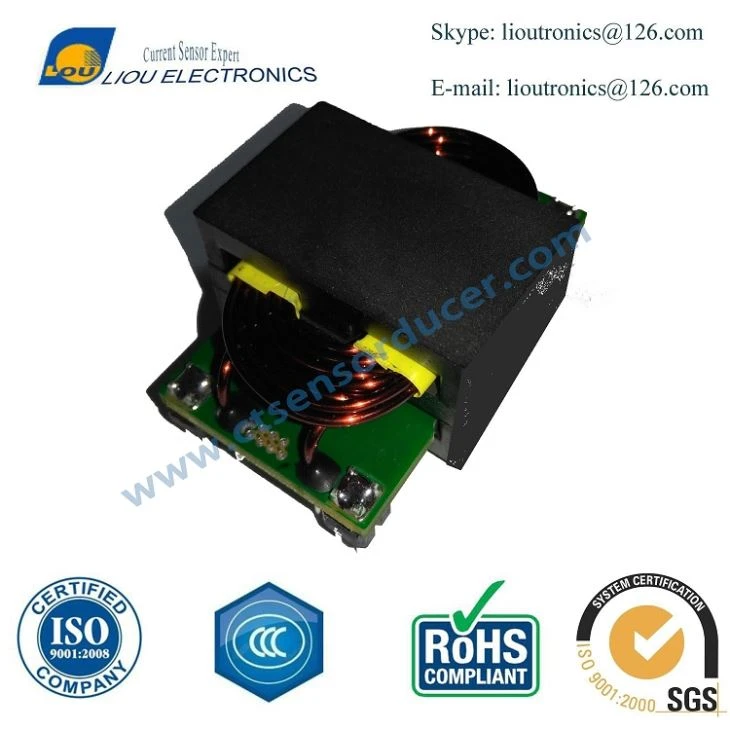
First off, let's quickly recap what planar transformers are. Planar transformers are a type of transformer that use planar windings, which are flat and typically made on a printed circuit board (PCB). This design offers several advantages over traditional transformers, such as lower profile, better thermal performance, and higher power density.
Now, onto inverters. Inverters are devices that convert direct current (DC) to alternating current (AC). They're used in a wide range of applications, from solar power systems to uninterruptible power supplies (UPS). So, can planar transformers be used in inverters? The short answer is yes, and here's why.
Advantages of Using Planar Transformers in Inverters
1. High Power Density
Inverters often need to be compact, especially in applications like portable power stations or small solar inverters. Planar transformers have a high power density, which means they can handle a lot of power in a small space. This is a huge advantage when space is at a premium. For example, our Forward Topology Planar Transformer 180W is designed to deliver high power in a relatively small footprint, making it a great choice for inverters where size matters.
2. Excellent Thermal Performance
Heat is the enemy of electronic devices, and inverters are no exception. Planar transformers have a large surface area due to their flat design, which allows for better heat dissipation. This means they can operate at lower temperatures, reducing the risk of overheating and improving the overall reliability of the inverter. Our Planar Transformer 28.2V Lo - Plt8088 - 008 is engineered with thermal management in mind, ensuring efficient operation even under heavy loads.
3. Low Electromagnetic Interference (EMI)
EMI can cause problems in electronic systems, such as signal interference or malfunctions. Planar transformers have a more controlled magnetic field compared to traditional transformers, which helps to reduce EMI. This is crucial in inverters, especially in sensitive applications where EMI can affect the performance of other nearby devices.
4. Design Flexibility
Planar transformers offer a high degree of design flexibility. They can be customized to meet specific requirements, such as different voltage levels, power ratings, and winding configurations. This makes them suitable for a wide variety of inverter designs, whether it's a single - phase or three - phase inverter.
Challenges and Considerations
Of course, using planar transformers in inverters isn't without its challenges. Here are some things to keep in mind.
1. Cost
Planar transformers can be more expensive to manufacture compared to traditional transformers. This is mainly due to the use of PCB technology and the precision required in the manufacturing process. However, the benefits of high power density, thermal performance, and EMI reduction often outweigh the higher cost, especially in high - end or specialized inverter applications.
2. High - Frequency Operation
Inverters often operate at high frequencies, and planar transformers need to be designed to handle these frequencies effectively. At high frequencies, issues such as skin effect and proximity effect can become more pronounced, which can affect the performance of the transformer. Our engineers have extensive experience in designing planar transformers for high - frequency operation, like our UYF34 16KV High Voltage High Frequency Transformer, which is specifically designed to perform well at high frequencies.
3. Cooling Requirements
While planar transformers have good thermal performance, they still need proper cooling in high - power applications. Adequate ventilation or the use of heat sinks may be required to ensure that the transformer operates within its safe temperature range.
Applications of Planar Transformers in Inverters
1. Solar Inverters
Solar inverters are used to convert the DC power generated by solar panels into AC power for use in homes or the grid. Planar transformers are a great fit for solar inverters because of their high power density and efficiency. They can help to reduce the size and weight of the inverter, making it easier to install and transport.
2. Uninterruptible Power Supplies (UPS)
UPS systems are used to provide backup power in case of a power outage. Planar transformers can improve the performance and reliability of UPS systems by offering better thermal management and lower EMI. This ensures that the UPS can provide clean and stable power to connected devices.
3. Electric Vehicle (EV) Chargers
EV chargers often use inverters to convert AC power from the grid into DC power for charging the vehicle's battery. Planar transformers can help to make EV chargers more compact and efficient, which is important for both home chargers and public charging stations.
Conclusion
So, to sum it up, planar transformers can definitely be used in inverters, and they offer several advantages such as high power density, excellent thermal performance, low EMI, and design flexibility. While there are some challenges to consider, the benefits make them a viable option for a wide range of inverter applications.
If you're in the market for planar transformers for your inverter project, I'd love to have a chat with you. Whether you need a standard product or a custom - designed solution, we've got the expertise and experience to meet your needs. Don't hesitate to reach out for a quote or to discuss your specific requirements.

References
- "Transformer Design Handbook" by Colonel Wm. T. McLyman
- "Power Electronics: Converters, Applications, and Design" by Ned Mohan, Tore M. Undeland, and William P. Robbins