




How to adapt a switching power supply inverter to a low - temperature environment?
 Jul 25, 2026|
 Hey there! As a supplier of Switching Power Supply Inverters, I've seen firsthand how challenging it can be to get these devices to work smoothly in low - temperature environments. In this blog, I'm gonna share some tips on how to adapt a switching power supply inverter to a low - temperature setting.
Understanding the Impact of Low Temperatures on Switching Power Supply Inverters
First off, let's talk about what low temperatures do to our inverters. Cold weather can cause a bunch of problems. For one, the electrolytic capacitors in the inverter can lose their capacitance. Capacitance is crucial as it helps in storing and releasing electrical energy. When the temperature drops, the electrolyte inside the capacitor becomes more viscous, which reduces its ability to store charge. This can lead to a decrease in the overall performance of the inverter.
Another issue is with the semiconductors. Transistors and diodes in the inverter are sensitive to temperature changes. At low temperatures, the mobility of charge carriers in these semiconductors decreases. This means that the switching speed of the transistors can slow down, and the forward voltage drop of the diodes can increase. As a result, the efficiency of the inverter goes down, and it might even fail to operate properly.
Selecting the Right Components
One of the key steps in adapting an inverter to a low - temperature environment is choosing the right components. When it comes to capacitors, look for those with a wide operating temperature range. There are some special low - temperature capacitors available in the market that are designed to maintain their capacitance even in cold conditions.
For semiconductors, opt for ones that are rated for low - temperature operation. Some manufacturers offer transistors and diodes that have been tested and proven to work well in cold environments. These components are engineered to have better charge carrier mobility at low temperatures, which helps in maintaining the inverter's performance.
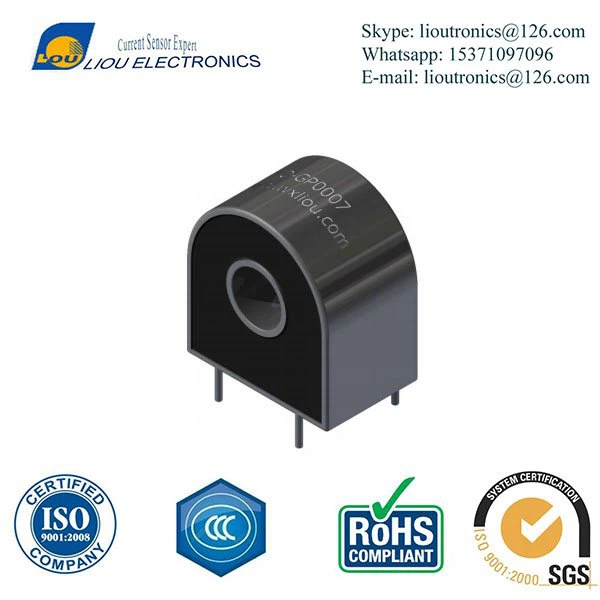
You might also want to consider using General Purpose Current Transformer PCB CT. These current transformers are essential for measuring the current in the inverter circuit. In a low - temperature environment, having a reliable current transformer can ensure accurate current measurement, which is crucial for the proper functioning of the inverter.
Thermal Management
Proper thermal management is vital when dealing with low - temperature environments. While it might seem counterintuitive, we still need to manage the heat in the inverter. One way to do this is by using heaters. You can install small heaters near critical components like capacitors and semiconductors. These heaters can help maintain the temperature of the components within an acceptable range.

Insulation is another important aspect. Wrap the inverter in high - quality insulation materials. This can prevent the heat generated inside the inverter from escaping too quickly, keeping the internal temperature stable. However, make sure that the insulation doesn't interfere with the ventilation of the inverter. Adequate ventilation is necessary to prevent overheating during normal operation.
Design Considerations
The design of the inverter also plays a significant role in its ability to operate in low - temperature environments. A well - designed circuit layout can minimize the impact of low temperatures. For example, keep the traces on the PCB short and wide. This reduces the resistance in the circuit, which in turn reduces the heat loss due to resistance.
Another design consideration is the use of parallel components. By connecting components like capacitors and resistors in parallel, you can increase the overall reliability of the inverter. If one component fails due to the cold, the others can still keep the inverter functioning.
Testing and Validation
Before deploying the inverter in a low - temperature environment, it's essential to test and validate its performance. You can use environmental chambers to simulate low - temperature conditions. Test the inverter at different temperature levels and monitor its performance parameters such as output voltage, current, and efficiency.
If you find any issues during the testing phase, make the necessary adjustments. This could involve changing the components, modifying the thermal management system, or adjusting the circuit design.
Using 1:1000 25A Input Small Volume Current Transformer and PCB Mount Current Transformer 15A MAX Input CT
These current transformers are great options for use in low - temperature environments. Their small volume makes them easy to integrate into the inverter design. They are also designed to provide accurate current measurement, which is crucial for the proper operation of the inverter in cold conditions.
Conclusion
Adapting a switching power supply inverter to a low - temperature environment requires a combination of component selection, thermal management, design considerations, and testing. By following these steps, you can ensure that your inverter performs well even in the coldest of conditions.
If you're in the market for a switching power supply inverter that can handle low - temperature environments, we're here to help. We've got a wide range of products that are designed and tested to work in challenging conditions. Get in touch with us to discuss your specific requirements and start a procurement conversation.