




How to calculate the burden of CT Series Current Transformers?
 Dec 09, 2025|
 As a supplier of CT Series Current Transformers, I often receive inquiries from customers about how to calculate the burden of these essential electrical components. Understanding the burden calculation is crucial for ensuring the accurate and reliable operation of current transformers in various applications. In this blog post, I will provide a comprehensive guide on how to calculate the burden of CT Series Current Transformers, along with some practical tips and considerations.
What is the Burden of a Current Transformer?
The burden of a current transformer refers to the total impedance connected to its secondary winding. It includes the impedance of the measuring instruments, relays, meters, and the connecting wires. The burden affects the accuracy of the current transformer because it determines the amount of current that flows through the secondary winding. If the burden is too high, the current transformer may saturate, leading to inaccurate measurements and potential damage to the equipment.
Why is Burden Calculation Important?
Accurate burden calculation is essential for several reasons:

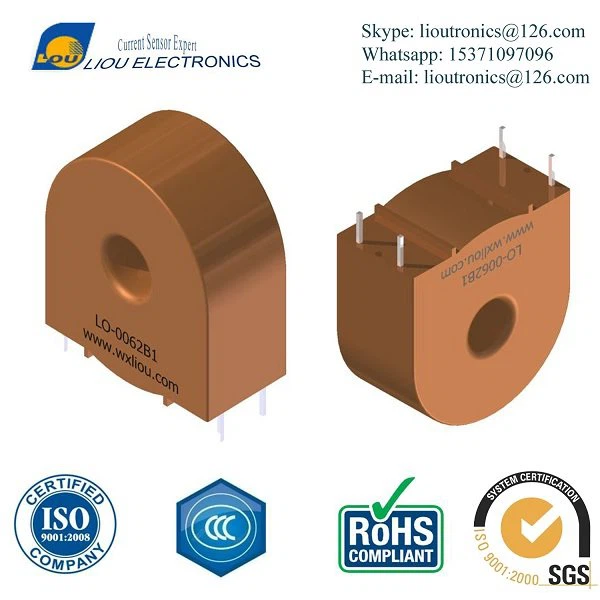
- Accuracy: A properly calculated burden ensures that the current transformer operates within its specified accuracy limits. This is crucial for applications where precise current measurements are required, such as power metering and protection systems.
- Safety: Overloading the current transformer due to an excessive burden can cause overheating and damage to the transformer. This can pose a safety hazard to personnel and equipment.
- Compliance: Many electrical standards and regulations specify the maximum allowable burden for current transformers. Calculating the burden helps ensure compliance with these standards.
How to Calculate the Burden of CT Series Current Transformers
The burden of a current transformer can be calculated using the following steps:
Step 1: Identify the Connected Devices
List all the devices connected to the secondary winding of the current transformer, including meters, relays, and other measuring instruments. Note down the impedance of each device, which is usually specified in the device's datasheet.
Step 2: Calculate the Impedance of the Connecting Wires
The impedance of the connecting wires also contributes to the total burden. The impedance of a wire depends on its length, cross-sectional area, and the resistivity of the material. You can use the following formula to calculate the impedance of a wire:
[ Z = \rho \frac{L}{A} ]
Where:
- ( Z ) is the impedance of the wire (in ohms)
- ( \rho ) is the resistivity of the wire material (in ohm-meters)
- ( L ) is the length of the wire (in meters)
- ( A ) is the cross-sectional area of the wire (in square meters)
Step 3: Calculate the Total Burden
The total burden of the current transformer is the sum of the impedances of all the connected devices and the connecting wires. You can calculate the total burden using the following formula:
[ B_{total} = B_1 + B_2 + \cdots + B_n + Z_{wires} ]
Where:
- ( B_{total} ) is the total burden (in ohms)
- ( B_1, B_2, \cdots, B_n ) are the impedances of the connected devices (in ohms)
- ( Z_{wires} ) is the impedance of the connecting wires (in ohms)
Step 4: Check the Burden Against the Transformer's Rating
Once you have calculated the total burden, compare it with the rated burden of the current transformer. The rated burden is usually specified on the transformer's nameplate or in its datasheet. Make sure that the total burden does not exceed the rated burden of the transformer.
Practical Tips and Considerations
Here are some practical tips and considerations to keep in mind when calculating the burden of CT Series Current Transformers:
- Use High-Quality Wires: Low-quality wires with high resistance can increase the burden and affect the accuracy of the current transformer. Use high-quality wires with low resistance to minimize the burden.
- Minimize the Length of the Connecting Wires: The longer the connecting wires, the higher the impedance. Try to keep the length of the connecting wires as short as possible to reduce the burden.
- Consider the Temperature: The impedance of the wires and the connected devices can change with temperature. Make sure to take into account the operating temperature range when calculating the burden.
- Verify the Device Impedances: The impedance values specified in the device's datasheet may not be accurate in all operating conditions. It is recommended to verify the impedance values of the connected devices using a impedance meter.
Other Types of Current Transformers
In addition to CT Series Current Transformers, we also offer other types of current transformers, such as High Frequency Wide Band Current Transformer and CR series high precision PCB mount current transformer. These current transformers are designed for specific applications and offer unique features and benefits.
Conclusion
Calculating the burden of CT Series Current Transformers is an important step in ensuring the accurate and reliable operation of these devices. By following the steps outlined in this blog post and considering the practical tips and considerations, you can calculate the burden of your current transformer with confidence.
If you have any questions or need further assistance with burden calculation or any other aspect of current transformers, please do not hesitate to contact us. We are a leading supplier of CT Series Current Transformers and other electrical components, and we are committed to providing our customers with high-quality products and excellent customer service.
References
- Electrical Power Systems Quality, by Roger C. Dugan, Mark F. McGranaghan, Surya Santoso, and H. Wayne Beaty.
- Handbook of Electrical Engineering, by John J. Cathey.