




How to determine when to replace a Three Phase Current Transformer?
 Jan 12, 2026|
 Alright guys, as a supplier of Three Phase Current Transformers, I often get asked about when exactly it's time to replace these crucial pieces of equipment. In this blog, I'm gonna share with you some tips on how to determine when it's the right moment to say goodbye to an old transformer and bring in a new one.
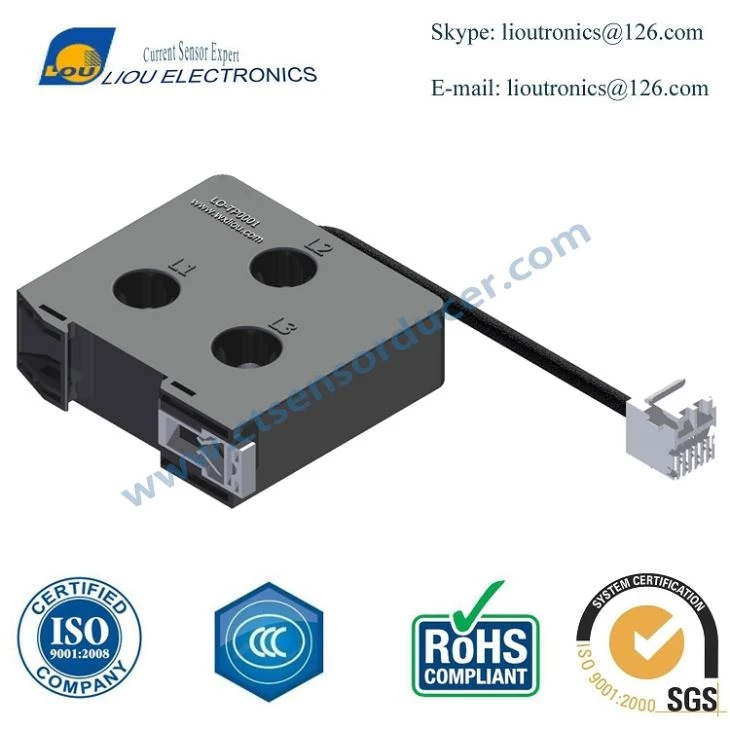
First off, let's talk about what a Three Phase Current Transformer does. It's a device that's used to measure electrical current in a three - phase system. It's got all sorts of applications, like in power generation, distribution, and in industrial settings. You might find it in power plants, factories, or even in large commercial buildings.
One of the first signs that you might need to replace your current transformer is a decline in accuracy. Current transformers are supposed to provide a precise measurement of the electrical current flowing through a circuit. But over time, due to wear and tear, aging components, or environmental factors, its accuracy can start to slip. If you notice that the readings from your current transformer are inconsistent or way off compared to what you expect, it's a red flag.
For instance, if you have a Class 0.1 Three Phase Current Transformer, it's designed to have a very high level of accuracy. But if you suddenly start getting readings that are constantly fluctuating or are significantly different from the actual current values, then it's likely that the transformer is having issues. You can do regular calibration checks to see if the accuracy is still within the acceptable range. If it's not, then replacement is probably on the horizon.
Another major factor is physical damage. These transformers are often installed in harsh environments, exposed to things like heat, moisture, and mechanical stress. Cracks in the housing, bent or broken terminals, or signs of corrosion can all be indicators of physical damage. Water ingress is also a big problem. If water gets inside the transformer, it can short - circuit the internal components and lead to all sorts of malfunctions.
For example, in industrial areas where there's a lot of dust and humidity, the enclosures of the transformers can get damaged over time. If you see that the casing is compromised, it's time to think about replacing it. Because a damaged transformer is not only less reliable but can also pose a safety risk.
Thermal performance is also crucial. Current transformers can get hot during operation, and that's normal to some extent. But if you notice that it's running unusually hot, that's a problem. Overheating can be caused by a variety of reasons, like an overload on the circuit, or a problem with the internal insulation. If left unchecked, excessive heat can damage the internal components of the transformer and reduce its lifespan.
You can use infrared thermography to check the temperature of the transformer. If the readings show that it's much hotter than it should be, then it might be time for a replacement. A High Accuracy Three Phase Current Transformer is built to handle normal operating temperatures, but if it's constantly overheating, something's wrong.
Age is another obvious factor. Just like any other piece of equipment, current transformers have a limited lifespan. On average, a well - maintained three - phase current transformer can last anywhere from 15 to 25 years. But that's subject to a lot of variables. If it's been in use for a long time, say more than 20 years, it's more likely to start developing problems. The insulation materials can degrade over time, and the internal components can wear out.
You should keep a record of when the transformer was installed. If it's creeping up on or has exceeded its expected lifespan, it might be a good idea to start looking at replacement options, like the Three Phase Current Transformer 1: 3000.
Electrical failures are also tell - tale signs. If you experience frequent short - circuits or tripping in the circuit where the current transformer is installed, it could be a sign that the transformer is failing. These electrical issues can disrupt your operations and cause damage to other equipment in the system.
So, let's say you've identified that it's time to replace your three - phase current transformer. What should you do next? Well, that's where we come in. As a supplier, we've got a wide range of high - quality three - phase current transformers that can meet your specific needs. Whether you need a high - accuracy transformer for a sensitive metering application or a robust one for an industrial environment, we've got you covered.
If you're in the process of evaluating your current transformer situation or thinking about a replacement, don't hesitate to reach out. We're here to provide you with all the information you need, answer your questions, and help you make the right choice. We understand that every application is unique, and we'll work with you to find the best solution for your business.
So, if you're interested in purchasing a new Three Phase Current Transformer, or if you just want to learn more about our products, feel free to get in touch. We're looking forward to hearing from you and helping you keep your electrical systems running smoothly.

References
- Electrical Equipment Maintenance Handbook
- Handbook of Power System Engineering