




How to integrate a Residual Current Transformer into a ground - fault protection system?
 Jan 01, 2026|
 Hey there! As a supplier of Residual Current Transformers (RCTs), I've got a ton of knowledge to share about integrating these nifty devices into a ground - fault protection system. So, let's dive right in!
What is a Residual Current Transformer?
Before we get into the integration part, let's quickly go over what an RCT is. In simple terms, an RCT is a type of current transformer that measures the residual current in an electrical system. The residual current is the vector sum of all the phase and neutral currents. If there's a ground fault in the system, the residual current will deviate from zero, and that's when the magic happens.
I mean, think about it. Without a reliable way to detect these ground faults, we'd be in a bit of a pickle. Electrical systems could face some serious issues, like short - circuits, fires, and even endanger the safety of people working around the equipment.
Why Integrate an RCT into a Ground - Fault Protection System?
Now, you might be wondering, "Why do I need to integrate an RCT into my ground - fault protection system?" Well, here's the deal. A proper ground - fault protection system is crucial for the safety and reliability of any electrical installation.
An RCT can detect even the smallest ground faults, and by integrating it into your protection system, you can ensure that any fault is quickly identified and isolated. This not only protects your equipment from damage but also reduces the risk of electrical accidents. You can visit Ground Fault Residual Current to learn more about the concept of residual current in ground - fault protection.
Steps to Integrate a Residual Current Transformer
Step 1: Choose the Right RCT
The first step in the integration process is to select the appropriate RCT for your specific application. You need to consider factors like the rated current of your electrical system, the sensitivity required for ground - fault detection, and the physical size of the transformer.
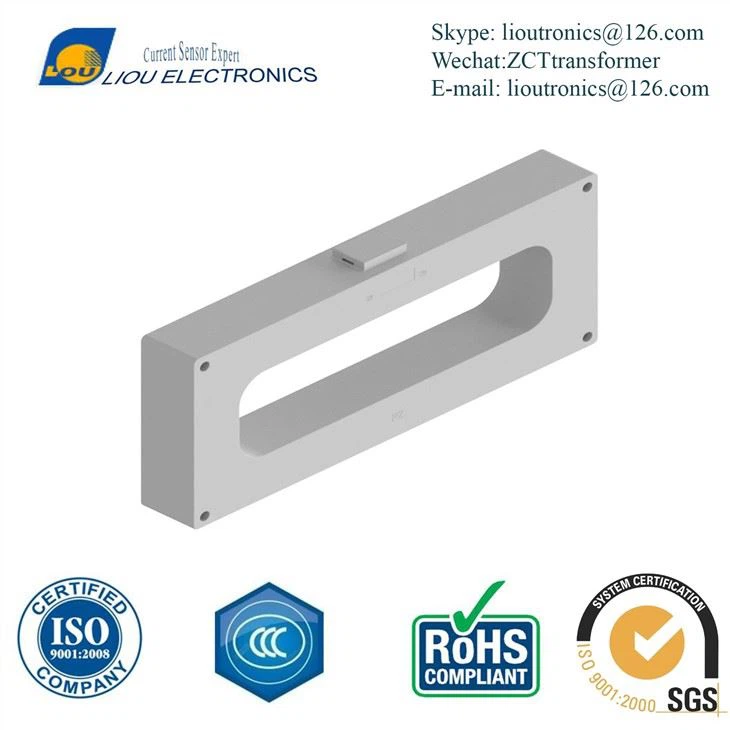
For high - current applications, we've got some great options, like the High Current Residual Current Transformer LO - JRCT - 350. This bad boy is designed to handle large currents while still providing accurate measurements.
Step 2: Installation
Once you've chosen the right RCT, it's time to install it. It's important to follow the manufacturer's instructions carefully during the installation process.
Typically, you'll need to install the RCT around all the phase conductors and the neutral conductor of the electrical circuit you want to protect. Make sure the installation is secure and that there are no loose connections. Any loose connections could lead to inaccurate measurements and potentially false alarms or missed ground faults.
Step 3: Wiring
After installation, the next step is wiring. You'll need to connect the RCT to the ground - fault protection relay. This relay is responsible for analyzing the residual current measured by the RCT and issuing a trip signal if a ground fault is detected.
Again, double - check the wiring according to the provided diagrams. Incorrect wiring can cause the system to malfunction, and nobody wants that.
Step 4: Calibration
Once the RCT is installed and wired, it's time to calibrate it. Calibration ensures that the RCT is providing accurate measurements. You can use a calibration device to set the sensitivity of the RCT to the desired level.
The calibration process might seem a bit technical, but it's crucial for the proper functioning of the ground - fault protection system. If the RCT isn't calibrated correctly, it might not detect ground faults accurately, or it could give false alarms.
Step 5: Testing
After calibration, it's essential to test the system. You can use a test set to simulate a ground fault and check if the ground - fault protection system responds as expected.
During the test, the protection relay should trip when the simulated ground - fault current exceeds the set threshold. If the system doesn't trip or trips at the wrong current level, there might be an issue with the installation, wiring, or calibration, and you'll need to go back and fix it.
Additional Considerations
Compatibility with Existing Systems
When integrating an RCT into a ground - fault protection system, it's vital to ensure compatibility with your existing electrical system. This includes things like the voltage levels, the type of protection relay, and the overall system configuration.
If your system has a Ground Fault Zero Sequence Current Transformer High Current, you need to make sure that the new RCT can work in harmony with it.
Maintenance
Regular maintenance is key to keeping your ground - fault protection system in top shape. This includes checking the RCT for any physical damage, cleaning the terminals, and re - calibrating the device periodically.
A well - maintained RCT will provide accurate measurements for years to come, ensuring the safety and reliability of your electrical system.
Conclusion
Integrating a Residual Current Transformer into a ground - fault protection system is a smart move for anyone who wants to enhance the safety and reliability of their electrical installations. By following the steps outlined above, you can ensure a smooth integration process and a system that works effectively.
If you're interested in learning more about our Residual Current Transformers or are looking to make a purchase, we're here to help. Just reach out for a friendly chat and we can discuss your specific needs and how our products can fit into your ground - fault protection system.

References
- Electrical Safety Handbook
- Transformer Installation and Maintenance Guides