




How to properly ground CT Series Current Transformers?
 Nov 28, 2025|
 Proper grounding of CT Series Current Transformers is a critical aspect that directly impacts their performance, safety, and the overall reliability of electrical systems. As a leading supplier of CT Series Current Transformers, we understand the significance of this process and are committed to providing comprehensive guidance on how to achieve it effectively.
Understanding the Basics of CT Series Current Transformers
Before delving into the grounding process, it's essential to have a clear understanding of what CT Series Current Transformers are and how they function. These transformers are designed to measure electrical current in high - voltage or high - current circuits by providing a scaled - down version of the primary current to a secondary circuit. This allows for safe and accurate measurement and monitoring of electrical systems.
CT Series Current Transformers are widely used in various applications, including power generation, transmission, and distribution, as well as in industrial and commercial settings. They play a crucial role in protecting equipment, ensuring system stability, and facilitating energy management.
Why Proper Grounding is Necessary
Grounding of CT Series Current Transformers serves several important purposes. Firstly, it provides a path for fault currents to flow safely to the ground, protecting personnel and equipment from electrical shock and damage. In the event of a short - circuit or other electrical fault, the grounding system can divert the excessive current away from sensitive components, preventing overheating, arcing, and potential fires.
Secondly, proper grounding helps to stabilize the electrical potential of the transformer and its associated circuits. This reduces electrical noise and interference, which can improve the accuracy of current measurements. Unstable electrical potentials can lead to inaccurate readings, which may result in incorrect decision - making regarding system operation and protection.
Finally, grounding is required by electrical codes and standards to ensure the safe and reliable operation of electrical systems. Compliance with these regulations is not only a legal obligation but also a best practice for maintaining the integrity of the electrical infrastructure.
Steps for Properly Grounding CT Series Current Transformers
Step 1: Select the Right Grounding Conductor
The first step in grounding a CT Series Current Transformer is to choose an appropriate grounding conductor. The conductor should have sufficient ampacity to carry the maximum fault current that could occur in the system. It is typically recommended to use a copper conductor, as copper has excellent electrical conductivity and corrosion resistance.
The size of the grounding conductor is determined by the rating of the transformer and the available fault current. Electrical codes and standards provide guidelines for selecting the correct conductor size based on these factors. For example, for a small - to - medium - sized CT Series Current Transformer, a #6 or #8 AWG copper conductor may be sufficient, while larger transformers may require a #2 or #4 AWG conductor.
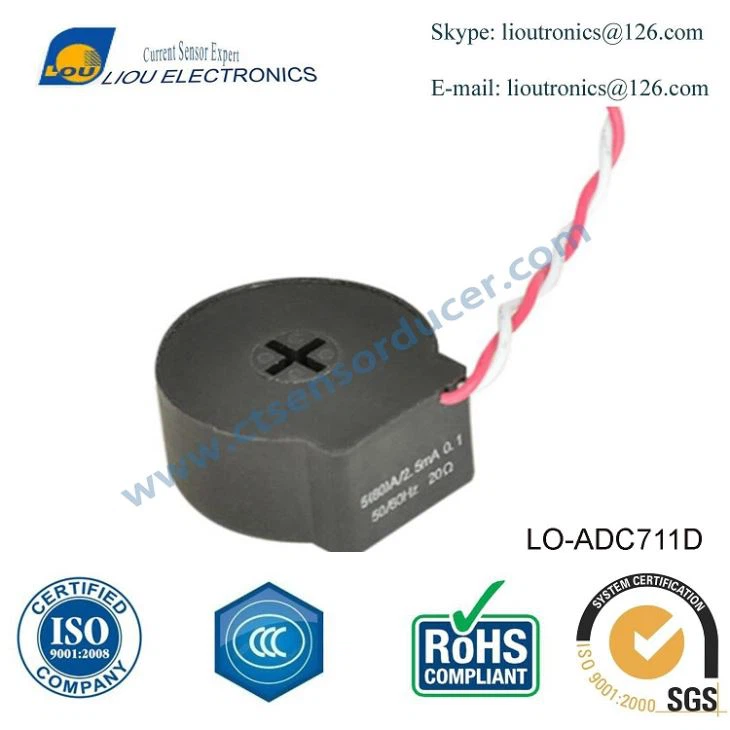

Step 2: Identify the Grounding Point
The grounding point for the CT Series Current Transformer should be a low - impedance connection to the earth. This can be a grounding electrode, such as a ground rod, a grounding grid, or a water pipe (in some cases). The grounding electrode should be installed in accordance with local electrical codes and standards.
The grounding point should be located as close as possible to the transformer to minimize the length of the grounding conductor. A shorter conductor length reduces the resistance and inductance of the grounding path, which improves the effectiveness of the grounding system.
Step 3: Connect the Grounding Conductor to the Transformer
Once the grounding conductor and the grounding point have been selected, the next step is to connect the conductor to the CT Series Current Transformer. Most CT Series Current Transformers have a dedicated grounding terminal or lug. The grounding conductor should be securely connected to this terminal using appropriate connectors, such as crimp - on terminals or bolt - on lugs.
It is important to ensure that the connection is tight and free of corrosion. Loose connections can increase the resistance of the grounding path, which may reduce the effectiveness of the grounding system. Corrosion can also degrade the electrical conductivity of the connection over time.
Step 4: Bonding and Shielding
In addition to grounding the CT Series Current Transformer itself, it is also important to bond and shield the associated wiring and equipment. Bonding involves connecting all metallic components of the electrical system together to ensure they are at the same electrical potential. This helps to prevent electrical potential differences that could lead to electrical shock or interference.
Shielding is used to protect the secondary circuits of the CT Series Current Transformer from external electromagnetic interference. The shielding should be grounded at both ends to provide an effective path for the interference currents to flow. For more information on high - quality current transformers that are suitable for various applications, you can visit our Precision Current Transformer and High Frequency Output Transformers pages.
Step 5: Testing and Inspection
After the grounding system has been installed, it is essential to test and inspect it regularly to ensure its continued effectiveness. This includes measuring the grounding resistance using a grounding resistance tester. The measured resistance should be within the acceptable range specified by electrical codes and standards.
Periodic inspections should also be conducted to check for any signs of damage, corrosion, or loose connections in the grounding system. Any issues should be addressed immediately to prevent potential problems.
Special Considerations for Different Applications
Industrial Applications
In industrial settings, CT Series Current Transformers are often used in harsh environments with high levels of electrical noise and interference. In these cases, additional shielding and filtering may be required to ensure accurate current measurements. The grounding system should also be designed to handle the high - fault currents that can occur in industrial electrical systems. Our 1: 2000 High Accuracy Class Up To 0.05 Current Transformer is well - suited for such industrial applications, providing high - precision measurements even in challenging conditions.
Power Distribution Networks
In power distribution networks, CT Series Current Transformers are used to monitor and protect the electrical grid. The grounding system in these networks must be designed to handle large - scale fault currents and to maintain system stability. Coordination between different grounding systems in the network is also crucial to ensure proper operation of protective relays and other equipment.
Conclusion
Properly grounding CT Series Current Transformers is a complex but essential process that requires careful planning, installation, and maintenance. By following the steps outlined in this blog and considering the special requirements of different applications, you can ensure the safe and reliable operation of your electrical systems.
As a supplier of CT Series Current Transformers, we are dedicated to providing our customers with high - quality products and expert technical support. If you have any questions about grounding CT Series Current Transformers or are interested in purchasing our products, please feel free to contact us for a procurement discussion. We look forward to working with you to meet your electrical measurement and protection needs.
References
- Electrical Safety Standards and Codes, National Fire Protection Association (NFPA)
- Handbook of Electrical Engineering, McGraw - Hill
- Current Transformer Application Guide, IEEE Standards Association