




What are the installation requirements for a Center Throughcurrent Transformer?
 May 07, 2026|
 Hey there! As a supplier of Center Throughcurrent Transformers, I'm super stoked to chat about what it takes to install these nifty devices. Whether you're a seasoned electrician or just a DIY enthusiast looking to level up your electrical game, understanding the installation requirements is key. So, let's dive right in!
Location, Location, Location
First things first, picking the right spot for your Center Throughcurrent Transformer is crucial. You want to place it in an area where it can do its job effectively without any interference. It should be close to the conductor that you're measuring the current from. This way, you can get an accurate reading.
The location also needs to be well-ventilated. These transformers can generate some heat, especially if they're working hard. If they're stuck in a stuffy, enclosed space, the heat can build up and cause problems. So, make sure there's enough air circulation around it.
Another thing to consider is accessibility. You might need to check on the transformer from time to time, so it should be easy to reach. You don't want to be climbing over a bunch of stuff or squeezing into a tight corner just to take a look.
Mounting
Once you've found the perfect location, it's time to mount the transformer. You'll need to use the appropriate mounting hardware. Most Center Throughcurrent Transformers come with mounting holes or brackets, so make sure you have the right screws or bolts to secure them in place.
The mounting surface should be flat and sturdy. If it's wobbly or uneven, the transformer might not be stable, which can affect its performance. You also want to make sure it's mounted at the right height. It should be at a level where you can easily access the terminals and make any necessary connections.
Conductor Placement
The way you place the conductor through the center of the transformer is super important. The conductor needs to pass straight through the center of the transformer's core. Any bends or kinks can mess up the magnetic field and give you inaccurate readings.
Make sure the conductor is centered properly. If it's off to one side, it can cause uneven distribution of the magnetic field, which again, can lead to inaccurate measurements. You might want to use some kind of guide or alignment tool to help you get it just right.
Electrical Connections
Now, let's talk about the electrical connections. You'll need to connect the secondary terminals of the transformer to your measuring device. This could be a meter, a relay, or some other type of electrical equipment.
When making these connections, it's important to follow the manufacturer's instructions. Use the right gauge of wire and make sure the connections are tight. Loose connections can cause electrical arcing, which is not only dangerous but can also damage the transformer and your measuring equipment.
You also need to pay attention to the polarity of the connections. Most Center Throughcurrent Transformers have markings on the terminals to indicate which is the positive and which is the negative. Make sure you connect the wires correctly to avoid any issues.
Safety Precautions
Safety should always be your top priority when installing a Center Throughcurrent Transformer. Before you start any work, make sure the power is turned off to the circuit you'll be working on. This will prevent any electrical shocks or short circuits.
Wear appropriate safety gear, like gloves and safety glasses. You never know what might happen, so it's better to be safe than sorry. If you're not sure about something, don't hesitate to ask for help. It's always better to get some expert advice than to risk making a mistake.
Compatibility with Measuring Equipment
Your Center Throughcurrent Transformer needs to be compatible with the measuring equipment you're using. Check the specifications of both the transformer and the measuring device to make sure they're a good match.
For example, if you're using a meter that requires a specific current range, make sure your transformer can provide that range. If they're not compatible, you might not get accurate readings, and it could even damage your equipment.
Testing and Calibration
Once you've installed the transformer and made all the connections, it's time to test it out. Turn on the power (make sure you've double-checked all the connections first!) and see if it's working properly.

You might need to calibrate the transformer to get accurate readings. This usually involves adjusting some settings on your measuring device. Follow the manufacturer's instructions for calibration to make sure you're doing it right.
Our Products
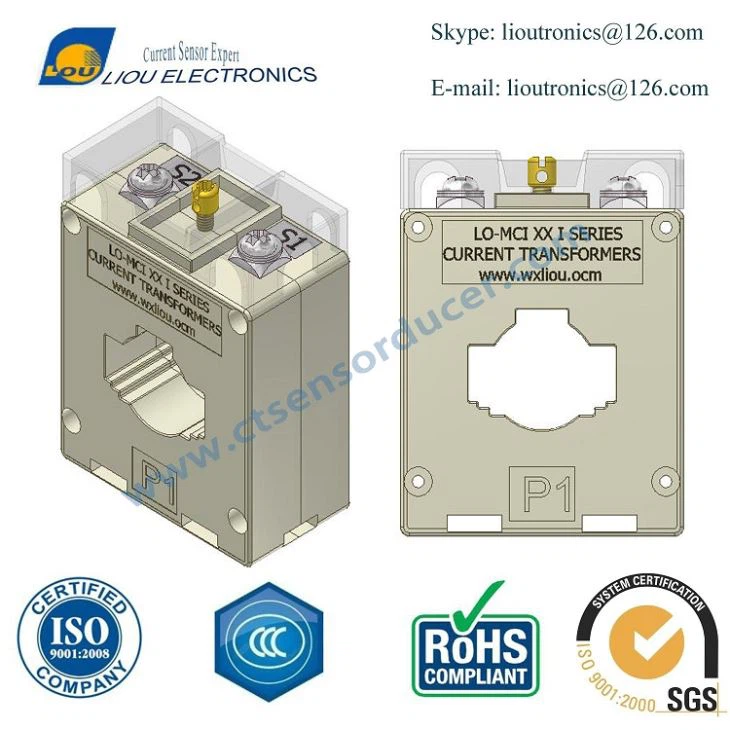
At our company, we offer a range of high-quality Center Throughcurrent Transformers. For example, we have the 200A: 5A Center Through Current Sensor Lo-Mc30I, the 200A: 5A Center Through Current Transformer, and the 200A: 5A Center Through CT Lo-Mc30I. These products are designed to meet the highest standards of performance and reliability.
Contact Us for Purchase
If you're interested in our Center Throughcurrent Transformers or have any questions about installation requirements, don't hesitate to reach out. We're here to help you find the right product for your needs and make sure you have all the information you need for a successful installation. Contact us today to start the conversation!