What is the core material of a Split Core Current Transducer?
 May 14, 2026|
 Hey there! As a supplier of Split Core Current Transducers, I'm super stoked to chat with you about the core material of these nifty devices. Split Core Current Transducers are pretty amazing pieces of tech that play a crucial role in a whole bunch of electrical applications. So, let's dive right in and figure out what makes up their core material.
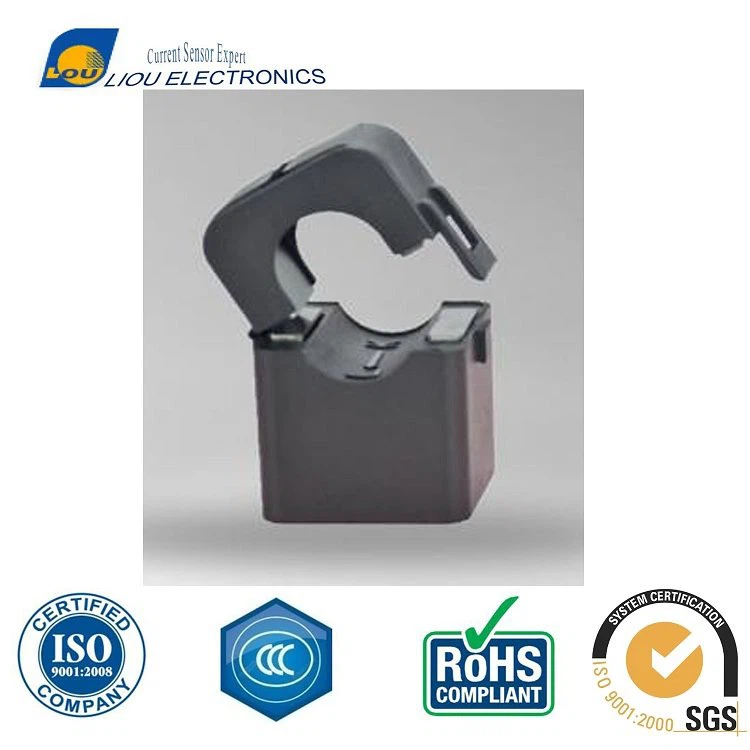
First off, let's understand what a Split Core Current Transducer is. It's a device that measures electrical current in a non - intrusive way. You can easily open the core and clamp it around a conductor, which is super convenient for installation and maintenance. This is a big advantage over traditional current transformers that require you to break the circuit to install them.
Now, onto the core material. The core is the heart of a Split Core Current Transducer, and the choice of core material can significantly impact its performance. One of the most commonly used core materials is ferrite. Ferrite is a ceramic compound made up of iron oxide and other metals like nickel, zinc, or manganese.
Ferrite cores have some really cool properties. They have high magnetic permeability, which means they can easily concentrate magnetic fields. This is super important because it allows the current transducer to accurately measure the current flowing through the conductor. When the current passes through the conductor, it creates a magnetic field. The ferrite core captures this magnetic field and then induces a proportional current in the secondary winding of the transducer.
Another great thing about ferrite cores is their low electrical conductivity. This helps to reduce eddy current losses. Eddy currents are circulating currents that are induced in the core material when it's exposed to a changing magnetic field. These currents can cause energy losses in the form of heat, which can reduce the efficiency of the current transducer. Since ferrite has low electrical conductivity, it minimizes these eddy current losses, making the transducer more efficient.
But ferrite isn't the only option. There's also silicon steel. Silicon steel is an alloy of iron and silicon, and it's been used in electrical transformers for a long time. It has excellent magnetic properties, especially at low frequencies. Silicon steel cores can handle high magnetic fluxes, which makes them suitable for applications where large currents need to be measured.
One of the drawbacks of silicon steel, though, is that it can be a bit more expensive and heavier compared to ferrite. Also, it has higher eddy current losses at higher frequencies. So, for applications that operate at high frequencies, ferrite might be a better choice.
There are also other materials like amorphous metal cores. Amorphous metals are alloys that have a non - crystalline structure. They have very low core losses and high magnetic permeability, which makes them ideal for high - efficiency current transducers. However, they are relatively more expensive and can be a bit more difficult to manufacture.
Let's talk about how the choice of core material affects the performance of Split Core Current Transducers in different applications. For example, in a power distribution system, where accurate measurement of large currents is crucial, silicon steel cores might be a good option. They can handle the high magnetic fluxes associated with large currents and provide accurate measurements.
On the other hand, for applications like Grid - tie inverter analytics & net - metering station monitoring Split Core Current Transformer, which often operate at higher frequencies, ferrite cores are a popular choice. They offer good performance at high frequencies and are more cost - effective.
If you're dealing with a single - phase electrical system, a Single Phase Split Core CT can be a great solution. The choice of core material for this type of CT depends on the specific requirements of the application. For example, if you need high accuracy and low losses, a ferrite or amorphous metal core might be the way to go.
In some cases, you might need a Split Type Residual Current Transformer LO - CTK302503 RCT. These are used to detect residual currents, which are the difference between the incoming and outgoing currents in an electrical circuit. The core material for these transformers needs to be carefully selected to ensure accurate detection of these small residual currents. Ferrite cores are often used in these applications because of their high sensitivity and low losses.
As a supplier of Split Core Current Transducers, I've seen firsthand how the right core material can make a huge difference in the performance of these devices. Whether you're in the power industry, renewable energy sector, or any other field that requires accurate current measurement, choosing the right core material is essential.
If you're in the market for Split Core Current Transducers, I'd love to have a chat with you. We can discuss your specific requirements and figure out the best core material and transducer for your application. Don't hesitate to reach out and start a conversation about your needs. We're here to help you get the most out of your electrical systems.