




What is the difference between CT Series Current Transformers for different environmental conditions?
 Oct 14, 2026|
As a leading supplier of CT Series Current Transformers, I've delved deep into the nuances of these essential electrical components, especially in relation to different environmental conditions. Current transformers are crucial for measuring electrical current, protecting equipment, and ensuring the safe and efficient operation of electrical systems across a wide range of industries. However, not all current transformers are created equal, and their performance can vary significantly depending on the environment in which they operate. Let's explore the key differences in CT Series Current Transformers designed for various environmental conditions.
Indoor vs. Outdoor Environments
One of the most fundamental distinctions in environmental conditions for current transformers is whether they are installed indoors or outdoors. Indoor environments generally offer a more controlled setting, with stable temperatures, low levels of humidity, and protection from extreme weather conditions and physical damage. In contrast, outdoor environments expose current transformers to a harsh and unpredictable combination of factors, including temperature fluctuations, moisture, dust, UV radiation, and mechanical stress.
Indoor Current Transformers
Indoor current transformers are typically designed to operate within a relatively narrow temperature range, usually between -20°C and 60°C. They are often built with less robust enclosures and insulation materials, as they do not need to withstand the same level of environmental stress as outdoor units. These transformers are commonly used in applications such as commercial buildings, industrial facilities, and power distribution centers, where they are protected from the elements.
For example, Precision Current Transformer is well - suited for indoor environments. It offers high accuracy in current measurement, which is essential for applications where precision is paramount, such as in power monitoring and control systems within buildings. The precision of these transformers is maintained due to the stable indoor environment, which minimizes the impact of external factors on their performance.
Outdoor Current Transformers
Outdoor current transformers must be able to withstand a much wider range of environmental conditions. They are built with weatherproof enclosures made from materials such as stainless steel or fiberglass to protect against corrosion, moisture, and UV radiation. The insulation materials used in outdoor transformers are also more robust, capable of withstanding high levels of humidity and temperature variations.
The High Current Wide Band High Frequency Current Transformer is an excellent choice for outdoor applications. It can handle high currents and wide frequency ranges, making it suitable for use in power transmission and distribution lines that are often located outdoors. The design of this transformer takes into account the harsh outdoor environment, ensuring reliable performance even in extreme weather conditions.
Harsh Industrial Environments
Industrial environments present their own unique challenges for current transformers. These settings are often characterized by high levels of electrical noise, vibration, dust, and chemical contaminants. Current transformers used in industrial applications need to be rugged and reliable to ensure accurate current measurement and protection of equipment.
Noise and Vibration
In industrial facilities, electrical noise from machinery, motors, and other equipment can interfere with the operation of current transformers. To mitigate this issue, industrial - grade current transformers are designed with shielding to reduce electromagnetic interference (EMI). Additionally, they are built with robust mechanical structures to withstand vibration and shock.
The 1:1000 25A Input Small Volume Current Transformer is suitable for industrial environments where space is limited. Its small volume allows for easy installation in tight spaces, and its design helps to minimize the impact of electrical noise and vibration on its performance.
Dust and Chemical Contaminants
Industrial environments can be filled with dust, dirt, and chemical contaminants that can damage current transformers over time. To protect against these elements, industrial current transformers are often sealed and coated with protective materials. These coatings prevent dust and contaminants from entering the transformer and causing corrosion or other damage.
Extreme Temperature Environments
Some applications require current transformers to operate in extreme temperature environments, either very high or very low temperatures. In high - temperature environments, such as in furnaces or near industrial ovens, current transformers need to be able to withstand extreme heat without losing their performance.
High - Temperature Environments
Current transformers for high - temperature environments are designed with special insulation materials that can withstand elevated temperatures. These materials have a high thermal resistance and can prevent the transformer from overheating, which could lead to inaccurate measurements or even failure.
Low - Temperature Environments
In low - temperature environments, such as in cold storage facilities or outdoor applications in cold climates, current transformers need to be able to operate reliably at low temperatures. The insulation materials used in these transformers are chosen for their ability to remain flexible and effective at low temperatures, ensuring that the transformer functions properly even in freezing conditions.
Wet and Humid Environments
Wet and humid environments, such as coastal areas, water treatment plants, or underground installations, pose a significant challenge to current transformers. Moisture can cause corrosion, short - circuits, and other electrical problems if not properly addressed.
Waterproof and Moisture - Resistant Design
Current transformers for wet and humid environments are typically designed with waterproof enclosures and moisture - resistant insulation materials. These features protect the internal components of the transformer from water damage and ensure reliable operation over an extended period. The Low Voltage Single - Phase Current Transformer can be configured with moisture - resistant features, making it suitable for use in wet or humid settings.

PCB Mount Applications
In modern electronics, PCB mount current transformers are increasingly used for their compact size and ease of integration into printed circuit boards. These transformers are often used in applications such as electronic devices, control panels, and power supplies.
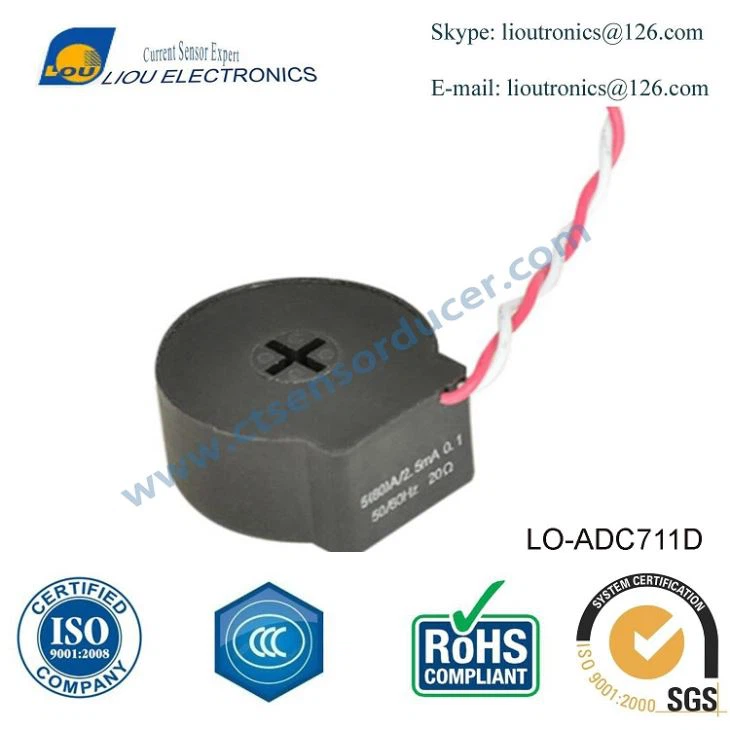
The PCB Mount Current Transformer 15A MAX Input CT is specifically designed for PCB mount applications. It is typically smaller in size and offers a high level of precision in a confined space. The design of these transformers is optimized for the specific requirements of PCB - based systems, such as low profile and compatibility with surface - mount technology.
Why Choose Our CT Series Current Transformers
As a supplier of CT Series Current Transformers, we understand the diverse needs of our customers in different environmental conditions. Our transformers are designed and manufactured to the highest standards, ensuring reliability, accuracy, and durability. We offer a wide range of current transformers suitable for various applications, from indoor precision measurement to outdoor high - voltage transmission.
If you are in the market for high - quality current transformers that can perform in your specific environmental conditions, we invite you to contact us for a detailed discussion. Our team of experts is ready to help you select the right product for your requirements and provide you with the best possible solution.