




What is the power rating of a switching power supply inverter?
 Oct 01, 2025|
 When it comes to the world of electrical power conversion, switching power supply inverters play a crucial role. As a leading supplier of switching power supply inverters, I often encounter questions from customers regarding the power rating of these devices. In this blog post, I will delve into the concept of power rating for switching power supply inverters, its significance, and how it impacts various applications.
Understanding Power Rating
The power rating of a switching power supply inverter is a fundamental specification that indicates the maximum amount of electrical power the device can handle or deliver under normal operating conditions. It is typically measured in watts (W) or kilowatts (kW). This rating is a key factor in determining the suitability of an inverter for a particular application.
There are two main aspects to consider when discussing the power rating of a switching power supply inverter: input power and output power. The input power is the electrical power that the inverter draws from the source, such as a battery or a power grid. The output power, on the other hand, is the power that the inverter delivers to the load, which could be electronic devices, motors, or other electrical equipment.
Significance of Power Rating
The power rating of a switching power supply inverter is of utmost importance for several reasons. Firstly, it ensures the safety and reliability of the inverter and the connected load. If the load requires more power than the inverter's rated capacity, the inverter may overheat, leading to premature failure or even a fire hazard. Therefore, it is essential to choose an inverter with a power rating that can comfortably handle the load requirements.
Secondly, the power rating affects the efficiency of the inverter. In general, inverters operate most efficiently when the load is close to their rated power. When the load is significantly lower than the rated power, the inverter may consume more power than necessary, resulting in lower efficiency and higher energy costs. On the other hand, if the load exceeds the rated power, the inverter may not be able to provide a stable output voltage, leading to poor performance of the connected devices.
Factors Affecting Power Rating
Several factors can influence the power rating of a switching power supply inverter. One of the primary factors is the design and construction of the inverter. High-quality inverters are typically designed to handle higher power loads and are built with robust components that can withstand the heat and electrical stress associated with high-power operation.
Another factor is the cooling mechanism of the inverter. Inverters generate heat during operation, and efficient cooling is essential to maintain their performance and reliability. Inverters with better cooling systems can handle higher power loads without overheating, allowing for a higher power rating.
The type of load also plays a significant role in determining the power rating of an inverter. Some loads, such as motors and compressors, require a high starting current, which can be several times higher than their normal operating current. In such cases, it is necessary to choose an inverter with a higher power rating to ensure that it can handle the starting surge without tripping or damaging the inverter.
Applications and Power Rating Requirements
The power rating requirements of a switching power supply inverter vary depending on the application. Here are some common applications and their typical power rating requirements:
Residential Applications
In residential settings, switching power supply inverters are commonly used to power household appliances, such as refrigerators, televisions, and computers. For small appliances, a low-power inverter with a rating of 100-500 watts may be sufficient. However, for larger appliances or multiple appliances used simultaneously, a higher-power inverter with a rating of 1000 watts or more may be required.
Industrial Applications
In industrial applications, switching power supply inverters are used to power a wide range of equipment, including motors, pumps, and control systems. These applications often require high-power inverters with ratings ranging from several kilowatts to hundreds of kilowatts. The power rating of the inverter should be carefully selected based on the power requirements of the equipment and the operating conditions.
Renewable Energy Systems
Renewable energy systems, such as solar and wind power systems, rely on switching power supply inverters to convert the DC power generated by the renewable energy sources into AC power for use in the electrical grid or for off-grid applications. The power rating of the inverter in a renewable energy system depends on the size of the renewable energy installation and the power requirements of the connected load. For small residential solar systems, a power rating of 1-5 kilowatts may be sufficient, while larger commercial or utility-scale systems may require inverters with ratings of hundreds of kilowatts or more.
Choosing the Right Power Rating
When choosing a switching power supply inverter, it is essential to consider the power requirements of the load and the operating conditions. Here are some steps to help you choose the right power rating:
- Determine the Load Requirements: Calculate the total power consumption of all the devices that will be connected to the inverter. Make sure to include the starting current requirements of motors and other high-inrush loads.
- Consider the Operating Conditions: Take into account the ambient temperature, humidity, and other environmental factors that may affect the performance of the inverter. Inverters operating in harsh environments may require a higher power rating to ensure reliable operation.
- Choose a Sufficient Margin: It is recommended to choose an inverter with a power rating that is at least 20-30% higher than the calculated load requirements. This provides a safety margin to account for any unexpected power surges or fluctuations.
- Consult with a Professional: If you are unsure about the power rating requirements for your application, it is advisable to consult with a professional electrical engineer or a knowledgeable supplier. They can provide you with expert advice and help you choose the right inverter for your needs.
Our Switching Power Supply Inverters
As a trusted supplier of switching power supply inverters, we offer a wide range of products with different power ratings to meet the diverse needs of our customers. Our inverters are designed and manufactured to the highest standards of quality and reliability, ensuring optimal performance in various applications.
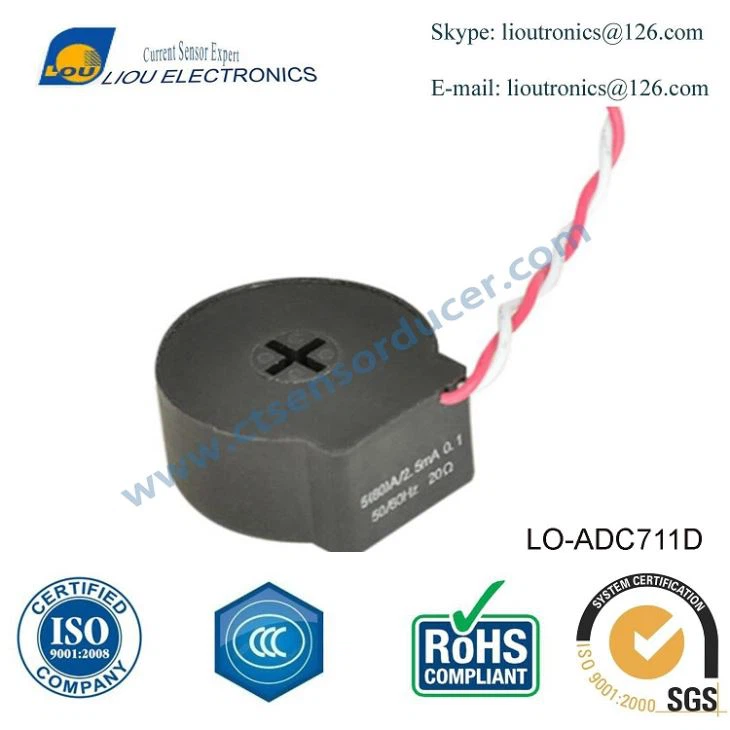

In addition to our standard product offerings, we also provide customized solutions to meet specific customer requirements. Our team of experienced engineers can work closely with you to design and develop an inverter that is tailored to your exact specifications.
Related Products
To complement our switching power supply inverters, we also offer a range of current transformers, including Precision Current Transformer, General Purpose Current Transformer PCB CT, and High Frequency Wide Band Current Transformer. These current transformers are essential components in power systems for measuring and monitoring electrical current.
Contact Us for Procurement
If you are interested in purchasing our switching power supply inverters or any of our related products, please do not hesitate to contact us. Our sales team is ready to assist you with your procurement needs and provide you with detailed product information and pricing. We look forward to the opportunity to work with you and help you find the right power solutions for your applications.
References
- "Power Electronics: Converters, Applications, and Design" by Ned Mohan, Tore M. Undeland, and William P. Robbins.
- "Handbook of Electric Power Calculations" by H. Wayne Beaty and Donald G. Fink.
- "Electrical Power Systems Quality" by Roger C. Dugan, Mark F. McGranaghan, and Surya Santoso.