




What is the vibration resistance of a General Used Current Transformer?
 Nov 12, 2025|
 Hey there! As a supplier of General Used Current Transformers, I often get asked about the vibration resistance of these devices. So, I thought I'd take a few minutes to break it down for you.
What's a General Used Current Transformer?
Before we jump into vibration resistance, let's quickly talk about what a general used current transformer is. Simply put, it's a device that measures electrical current. It takes a large current and transforms it into a smaller, more manageable current that can be easily measured by instruments. These transformers are used in a wide range of applications, from industrial power systems to home electrical panels.
Why Vibration Resistance Matters
Vibration can be a real problem for current transformers. When a transformer is exposed to vibrations, it can cause mechanical stress on the internal components. This stress can lead to loose connections, cracked insulation, and even damage to the core. Over time, these issues can affect the accuracy of the transformer and reduce its lifespan.
In industrial settings, vibrations are common. Machinery, motors, and even the movement of people can create vibrations that can impact current transformers. If a transformer isn't vibration-resistant, it may need to be replaced more frequently, which can be costly and time-consuming.
Factors Affecting Vibration Resistance
Several factors contribute to the vibration resistance of a general used current transformer.
Design and Construction
The way a transformer is designed and constructed plays a huge role in its ability to withstand vibrations. A well-designed transformer will have a sturdy enclosure that protects the internal components. The core and windings should be securely mounted to prevent movement. For example, some transformers use epoxy resin to encapsulate the core and windings, which helps to hold them in place and reduce the effects of vibrations.
Mounting
How the transformer is mounted also matters. If it's mounted on a surface that vibrates a lot, it's going to be exposed to more stress. Using proper mounting techniques, such as shock-absorbing pads or brackets, can help to reduce the transfer of vibrations to the transformer.
Quality of Materials
The quality of the materials used in the transformer can affect its vibration resistance. High-quality insulation materials are less likely to crack or break under stress, and strong core materials can better withstand mechanical forces.

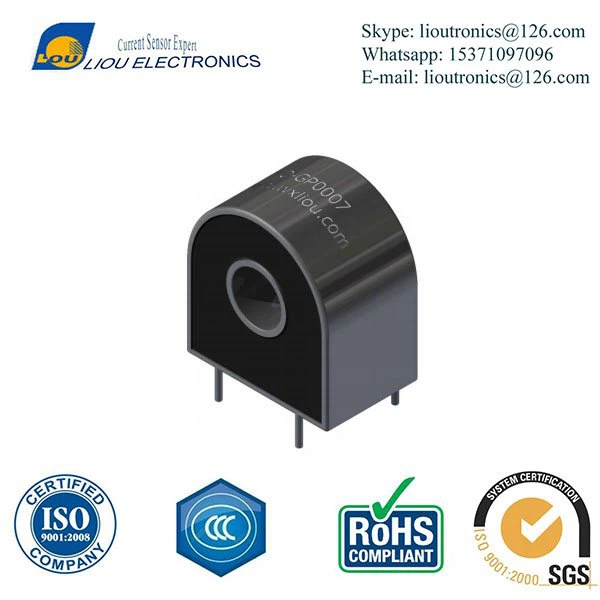
Our Vibration-Resistant Current Transformers
At our company, we take vibration resistance seriously. We offer a range of general used current transformers that are designed to withstand the rigors of real-world applications.
One of our popular products is the 1:1000 25A Input Small Volume Current Transformer. This transformer is compact in size but packs a punch when it comes to performance. It's built with high-quality materials and a robust design that makes it resistant to vibrations. Whether it's used in a small electrical panel or a larger industrial system, you can count on it to provide accurate current measurements even in the presence of vibrations.
Another great option is the CR series high precision PCB mount current transformer. These transformers are designed for printed circuit board (PCB) applications. They're engineered to be stable and reliable, even when exposed to vibrations. The precision design ensures accurate current sensing, making them ideal for applications where accuracy is crucial.
We also offer the General Electric Current Transformer. This transformer is known for its durability and vibration resistance. It's suitable for a wide range of applications, from power generation to distribution.
Testing for Vibration Resistance
To ensure that our current transformers meet the highest standards of vibration resistance, we conduct rigorous testing. We use specialized equipment to simulate different levels of vibrations and measure the performance of the transformers. This allows us to identify any potential issues and make improvements to the design if necessary.
During testing, we look at several factors, including the accuracy of the current measurements, the integrity of the insulation, and the stability of the internal components. If a transformer passes our vibration tests, we can be confident that it will perform well in real-world applications.
Benefits of Choosing Our Vibration-Resistant Transformers
When you choose our vibration-resistant current transformers, you're getting several benefits.
Accuracy
Our transformers are designed to maintain their accuracy even in the presence of vibrations. This means you can rely on them to provide accurate current measurements, which is essential for proper operation and monitoring of electrical systems.
Long Lifespan
By withstanding vibrations, our transformers are less likely to suffer from damage and wear. This extends their lifespan, reducing the need for frequent replacements and saving you money in the long run.
Reliability
In industrial and commercial applications, reliability is key. Our vibration-resistant transformers are built to be reliable, ensuring that your electrical systems operate smoothly without unexpected failures.
Conclusion
Vibration resistance is an important consideration when choosing a general used current transformer. At our company, we understand the challenges that vibrations can pose and have developed transformers that are designed to overcome them. Whether you're looking for a small, compact transformer or a larger, more powerful one, we have options that can meet your needs.
If you're interested in learning more about our vibration-resistant current transformers or have any questions about choosing the right one for your application, don't hesitate to [contact us for a purchase negotiation]. We're here to help you find the best solution for your electrical system.
References
- Electrical Engineering Handbook, Third Edition
- IEEE Standards for Current Transformers