




Can CT Series Current Transformers be connected in parallel?
 Apr 13, 2026|
 Hey there! As a supplier of CT Series Current Transformers, I often get asked a pretty interesting question: Can CT Series Current Transformers be connected in parallel? Let's dive right into this topic and see what's what.
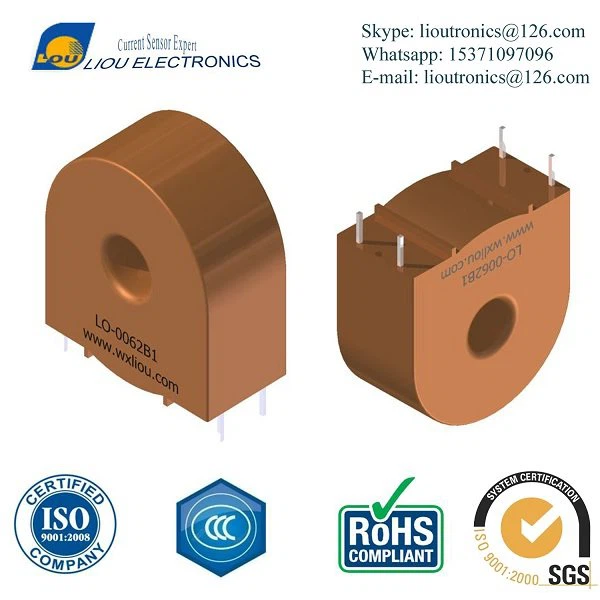
First off, let's understand what CT Series Current Transformers are. These transformers are super important in electrical systems. They're used to measure current in high - voltage circuits by stepping down the current to a level that can be safely measured by meters and other devices. They play a crucial role in power distribution, monitoring, and protection.
Now, the big question: Can they be connected in parallel? Well, the short answer is it's possible, but there are a whole bunch of things to consider.
Advantages of Parallel Connection
One of the main reasons you might want to connect CT Series Current Transformers in parallel is to increase the overall current - handling capacity. If you have a circuit with a really high current, a single CT might not be able to handle it. By connecting multiple CTs in parallel, you can split the current among them, which means each CT has to deal with a smaller portion of the total current. This can prevent overheating and damage to the CTs.
Another advantage is redundancy. If one CT fails, the others can still provide some level of current measurement. This is especially important in critical electrical systems where continuous monitoring is essential.
Challenges and Considerations
However, parallel connection isn't all sunshine and rainbows. There are some significant challenges that need to be addressed.

1. Matching Characteristics
The CTs you connect in parallel need to have very similar characteristics. This includes things like turns ratio, accuracy class, and impedance. If the CTs have different turns ratios, the current will not split evenly among them. For example, if one CT has a higher turns ratio than the others, it will draw more current, which can lead to inaccurate measurements and potentially damage the CT.
2. Impedance Matching
The impedance of the CTs also needs to be carefully matched. If the impedance of one CT is significantly different from the others, it can cause an imbalance in the current distribution. This can result in some CTs being overloaded while others are under - utilized.
3. Saturation
CTs can saturate when the current exceeds their rated capacity. When CTs are connected in parallel, the risk of saturation needs to be carefully evaluated. If one CT saturates, it can affect the performance of the other CTs in the parallel connection.
Practical Applications
In some industrial settings, parallel connection of CTs can be very useful. For example, in large power plants or substations, where the current levels are extremely high, parallel CTs can be used to accurately measure the current.
Let's say you're working on a project that involves monitoring the current in a high - voltage transmission line. The current in the line might be several thousand amperes. A single CT might not be able to handle this high current. By connecting multiple CTs in parallel, you can ensure accurate measurement and protect the CTs from damage.
Related Products
If you're interested in different types of current transformers, we have some great options. You can check out the General Electric Current Transformer. This type of transformer is known for its reliability and high - quality performance.
Another interesting option is the High Frequency Wide Band Current Transformer. It's designed to handle high - frequency currents, which is useful in applications like power electronics and telecommunications.
And if you're looking for a compact solution, the PCB Mount Current Transformer 15A MAX Input CT is a great choice. It can be easily mounted on a printed circuit board and is suitable for low - current applications.
Conclusion
So, can CT Series Current Transformers be connected in parallel? Yes, they can, but it's not a decision to be taken lightly. You need to carefully consider the characteristics of the CTs, the current levels, and the specific requirements of your application.
If you're in the market for CT Series Current Transformers or have any questions about parallel connection, don't hesitate to reach out. We're here to help you find the right solution for your electrical needs. Whether you're working on a small - scale project or a large - scale industrial application, we can provide the expertise and products you need.