




How to optimize the performance of a Hall Effect Sensor?
 Nov 06, 2025|
 Hey there! I'm a supplier of Hall Effect Sensors, and I've been in this game for quite a while. Over the years, I've learned a thing or two about how to optimize the performance of these nifty little devices. So, I thought I'd share some of my insights with you all.
First off, let's talk about what a Hall Effect Sensor is. In simple terms, it's a type of sensor that can detect magnetic fields. When a magnetic field is applied to the sensor, it generates a voltage that's proportional to the strength of the field. This makes it super useful for a wide range of applications, from measuring current in electrical circuits to detecting the position of moving parts in machinery.
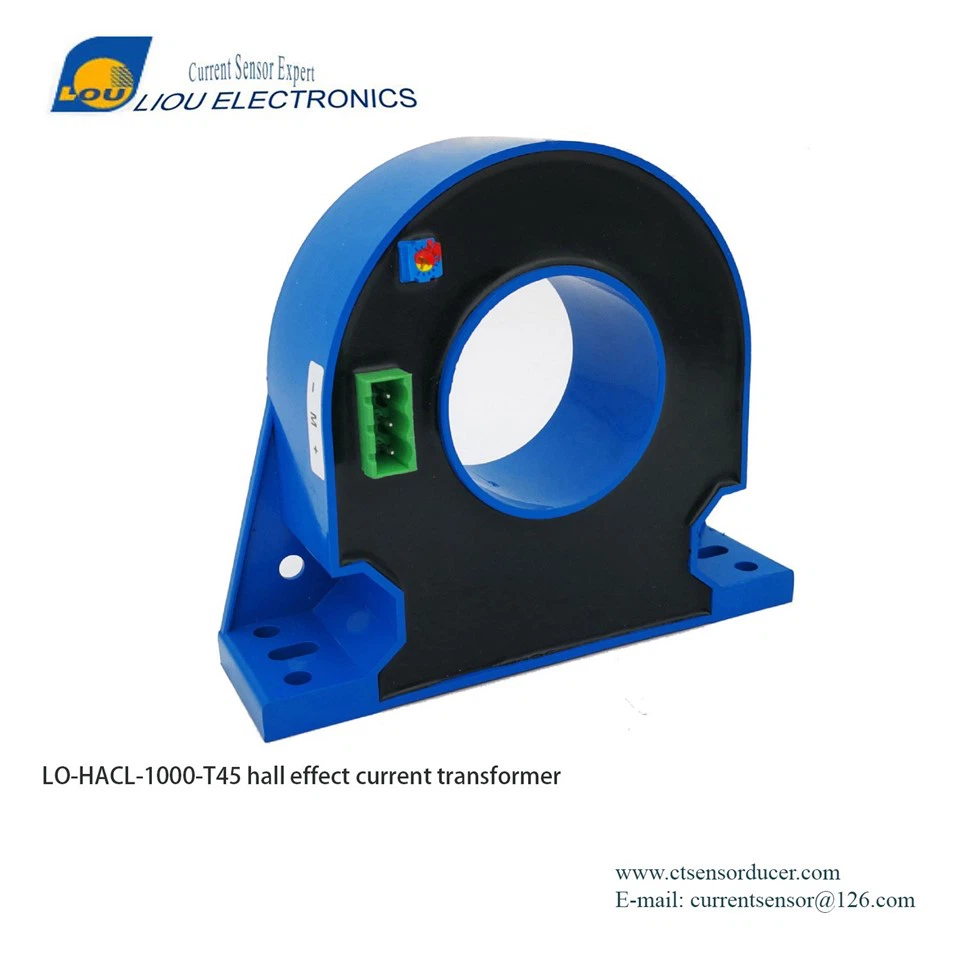
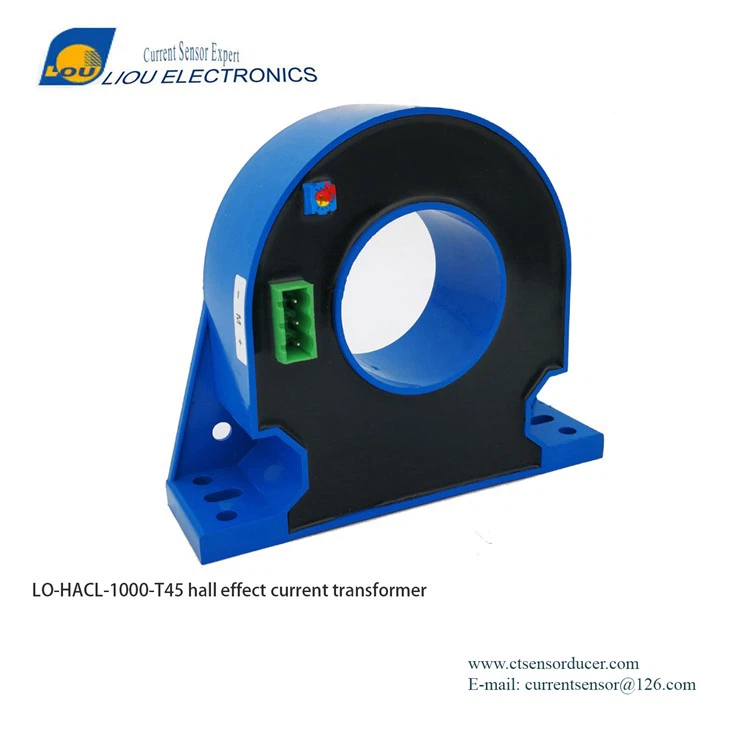
Now, let's get into the nitty - gritty of how to optimize its performance.
1. Proper Installation
The way you install a Hall Effect Sensor can have a huge impact on its performance. First, make sure it's mounted in the right position. The sensor should be placed as close as possible to the magnetic field source. For example, if you're using it to measure current in a wire, the sensor should be wrapped around the wire tightly. Any gaps between the sensor and the wire can lead to inaccurate readings.
Also, pay attention to the orientation of the sensor. Hall Effect Sensors are directional, which means they only work well when the magnetic field is applied in a specific direction. Check the datasheet of the sensor to find out the correct orientation. Incorrect orientation can result in reduced sensitivity or even complete failure to detect the magnetic field.
2. Temperature Management
Temperature can play a big role in the performance of Hall Effect Sensors. Most sensors are designed to work within a certain temperature range. If the temperature goes outside this range, the sensor's output can become unstable.
To manage temperature, you can use heat sinks or cooling fans if the sensor is operating in a high - temperature environment. On the other hand, if it's too cold, you might need to insulate the sensor. Some advanced Hall Effect Sensors also come with built - in temperature compensation circuits. These circuits can adjust the sensor's output based on the temperature, ensuring more accurate readings.
3. Signal Conditioning
Signal conditioning is an important step in optimizing the performance of a Hall Effect Sensor. The raw output of the sensor is usually a small voltage, which might be noisy or not suitable for direct use in your application.
You can use amplifiers to increase the signal strength. An amplifier can boost the small voltage from the sensor to a level that's easier to measure and process. Filters are also useful. They can remove any unwanted noise from the signal. For example, a low - pass filter can cut out high - frequency noise, leaving you with a cleaner signal.
4. Power Supply Stability
A stable power supply is crucial for the proper functioning of Hall Effect Sensors. Fluctuations in the power supply can cause variations in the sensor's output. Make sure you're using a high - quality power source that can provide a constant voltage.
If possible, use a regulated power supply. A regulated power supply can maintain a stable voltage even if there are changes in the load or input voltage. This helps to ensure that the sensor operates consistently and provides accurate readings.
5. Calibration
Calibration is an essential part of optimizing the performance of a Hall Effect Sensor. Over time, the sensor's characteristics can change due to factors like temperature, aging, or mechanical stress. Calibration helps to correct these changes and ensure that the sensor provides accurate readings.
To calibrate the sensor, you'll need a known magnetic field source. You can then compare the sensor's output with the expected value for that magnetic field. Based on the difference, you can adjust the sensor's settings or use a calibration factor in your data processing.
6. Choosing the Right Sensor for the Job
Not all Hall Effect Sensors are created equal. Different sensors have different specifications, such as sensitivity, accuracy, and range. When selecting a sensor for your application, make sure it meets your requirements.
For high - precision applications, you might want to consider a High Precision Hall Effect Current Transducer. These sensors are designed to provide very accurate measurements. If you need to measure high currents, a 2000A High Precision Closed Loop Hall Effect Current Transducer could be a great choice. And for applications where you need to measure current in a wire with a primary bus bar, the 1000A Hall Effect Current Sensor With Primary Bus Bar High Precision is worth considering.
7. Shielding
External magnetic fields can interfere with the operation of a Hall Effect Sensor and cause inaccurate readings. To reduce this interference, you can use shielding materials.
Shielding materials, such as mu - metal, can block external magnetic fields. You can place the sensor inside a shielded enclosure to protect it from unwanted magnetic interference. This is especially important in environments where there are a lot of magnetic fields, like near large motors or transformers.
8. Regular Maintenance
Just like any other piece of equipment, Hall Effect Sensors need regular maintenance. Check the sensor periodically for any signs of damage, such as cracks or loose connections. Clean the sensor if it's dirty, as dirt and debris can affect its performance.
Also, make sure to keep the sensor's environment clean. Dust, moisture, and other contaminants can cause corrosion or damage to the sensor over time.
In conclusion, optimizing the performance of a Hall Effect Sensor requires a combination of proper installation, temperature management, signal conditioning, power supply stability, calibration, choosing the right sensor, shielding, and regular maintenance. By following these tips, you can ensure that your sensor provides accurate and reliable readings.
If you're in the market for Hall Effect Sensors or have any questions about optimizing their performance, don't hesitate to reach out. We're here to help you find the best solution for your needs. Whether you're working on a small DIY project or a large - scale industrial application, we've got the right sensor for you. Let's start a conversation and see how we can work together to get the most out of your Hall Effect Sensors.
References
- "Hall Effect Sensors: Theory and Applications" by some well - known sensor experts.
- Datasheets of various Hall Effect Sensors from different manufacturers.