




How to troubleshoot a Three Phase Current Transformer?
 Jan 02, 2026|
 Hey there! If you're into the electrical world, you probably know how crucial three-phase current transformers are. As a supplier of these devices, I've seen my fair share of issues and learned a ton about troubleshooting them. So, in this blog, I'm gonna share some tips on how to troubleshoot a three-phase current transformer.
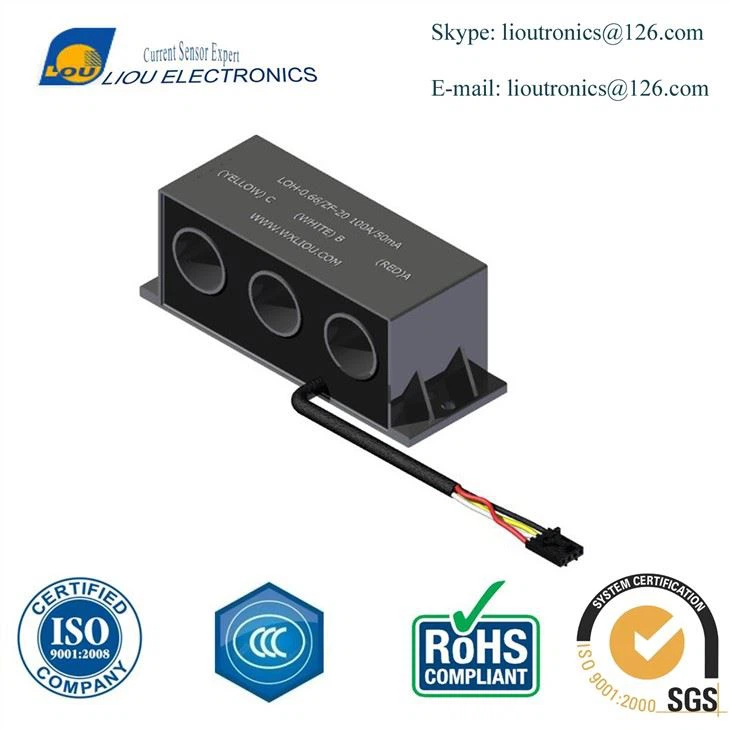
First things first, let's talk about what a three-phase current transformer does. It's a device that steps down high current levels in a three-phase electrical system to a more manageable level for measurement and protection purposes. A high-accuracy transformer is essential for ensuring accurate readings and reliable operation of the entire electrical system. If you're looking for a High Accuracy Three Phase Current Transformer, we've got you covered.
Common Issues and Their Symptoms
1. Inaccurate Readings
One of the most common issues with three-phase current transformers is inaccurate readings. If you notice that the current readings on your meters are way off, there could be a few reasons for this.
- Turn Ratio Mismatch: The turn ratio of a current transformer is crucial for accurate measurement. If the turns in the primary and secondary windings are not in the correct ratio, the output current will be inaccurate. For example, a 1: 2000 High Precision Three Phase Current Transformer is designed to have a specific turn ratio. Any deviation can lead to measurement errors.
- Saturation: When the primary current is too high, the core of the current transformer can saturate. This causes the output current to distort and results in inaccurate readings. You might notice that the readings suddenly drop or become erratic when the load current increases.
- Faulty Wiring: Loose or damaged wiring can also cause inaccurate readings. Check all the connections between the current transformer and the meters. Make sure the wires are properly insulated and tightened.
2. Overheating
Overheating is another serious issue that can indicate a problem with the current transformer.
- Excessive Load: If the transformer is operating at a higher load than its rated capacity, it will generate more heat. This can damage the insulation and reduce the lifespan of the transformer. Check the load current and compare it with the rated current of the transformer.
- Poor Ventilation: Inadequate ventilation can prevent the heat from dissipating properly. Make sure the transformer is installed in a well-ventilated area and that there are no obstructions around it.
- Internal Faults: Short circuits or other internal faults can also cause overheating. If you suspect an internal fault, it's best to have the transformer inspected by a professional.
3. Noise
Unusual noises coming from the current transformer can be a sign of trouble.
- Mechanical Vibrations: Loose parts inside the transformer can cause mechanical vibrations, which result in noise. Check for any loose screws or brackets and tighten them if necessary.
- Electromagnetic Interference: High levels of electromagnetic interference can also cause the transformer to make noise. Make sure the transformer is properly shielded and that there are no nearby sources of electromagnetic interference.
- Insulation Breakdown: In some cases, noise can be a sign of insulation breakdown. This is a serious issue that requires immediate attention.
Troubleshooting Steps
Step 1: Visual Inspection
The first step in troubleshooting a three-phase current transformer is to perform a visual inspection. Look for any obvious signs of damage, such as cracks in the casing, burned wires, or loose connections. Also, check for any signs of overheating, such as discoloration or melting of the insulation.
Step 2: Check the Connections
Make sure all the connections between the current transformer and the meters are tight and secure. Loose connections can cause inaccurate readings and even pose a safety hazard. Check both the primary and secondary connections.
Step 3: Measure the Output Current
Use a reliable ammeter to measure the output current of the current transformer. Compare the measured value with the expected value based on the turn ratio and the primary current. If the measured value is significantly different from the expected value, there could be a problem with the transformer.

Step 4: Check for Saturation
To check for saturation, gradually increase the primary current and observe the output current. If the output current does not increase proportionally with the primary current, the transformer might be saturating. In this case, you may need to reduce the load or replace the transformer with a higher-rated one.
Step 5: Inspect the Core
The core of the current transformer can sometimes develop faults. Inspect the core for any signs of damage, such as cracks or breaks. If you suspect a core fault, it's best to have the transformer tested by a professional.
Step 6: Test the Insulation
Use an insulation resistance tester to check the insulation resistance of the current transformer. A low insulation resistance value can indicate insulation breakdown or moisture ingress. If the insulation resistance is below the recommended value, the transformer may need to be repaired or replaced.
Importance of a Good Quality Transformer
Investing in a high-quality three-phase current transformer is crucial for the reliable operation of your electrical system. A Class 0.1 Three Phase Current Transformer offers high accuracy and stability, which ensures accurate measurement and protection. It also reduces the risk of issues such as inaccurate readings, overheating, and noise.
Conclusion
Troubleshooting a three-phase current transformer can be a bit tricky, but with the right knowledge and tools, you can identify and resolve most problems. By performing regular inspections and following the troubleshooting steps outlined in this blog, you can ensure the reliable operation of your current transformers.
If you're facing issues with your three-phase current transformers or are looking to purchase new ones, don't hesitate to reach out. We're here to help you with all your current transformer needs. Whether you need high accuracy, high precision, or a specific class rating, we've got a wide range of products to choose from. Get in touch with us for more information and let's start the conversation about your procurement.
References
- Electrical Power Systems Handbook, various authors
- Current Transformer Testing and Applications Manual, industry publication