




What is the maintenance cost of a dry - type Three Phase Current Transformer?
 Dec 18, 2025|
 As a supplier of Three Phase Current Transformers, I often receive inquiries from customers about the maintenance cost of these essential electrical devices. Understanding the maintenance cost is crucial for businesses and industries that rely on accurate current measurement. In this blog, I will delve into the factors that influence the maintenance cost of a dry - type Three Phase Current Transformer and provide insights to help you manage these costs effectively.
Understanding Dry - type Three Phase Current Transformers
Before discussing the maintenance cost, it's important to understand what a dry - type Three Phase Current Transformer is. These transformers are used to measure alternating current (AC) in three - phase electrical systems. They work by stepping down the high current in the primary circuit to a lower, measurable current in the secondary circuit. Dry - type transformers are preferred in many applications because they do not use flammable or toxic insulating liquids, which makes them safer and more environmentally friendly.
Factors Affecting Maintenance Cost
1. Quality of the Transformer
The initial quality of the Three Phase Current Transformer has a significant impact on its maintenance cost. High - quality transformers are built with better materials and manufacturing processes, which generally result in fewer breakdowns and longer service lives. For example, a Class 0.1 Three Phase Current Transformer is designed to provide high accuracy and reliability. These transformers are often more expensive upfront but can save on maintenance costs in the long run due to their superior performance and durability.
2. Operating Environment
The environment in which the transformer operates plays a crucial role in determining its maintenance requirements. Harsh environments with high levels of dust, moisture, or corrosive substances can accelerate the degradation of the transformer's components. For instance, if a transformer is installed in a factory with high levels of industrial dust, the dust can accumulate on the windings and insulation, reducing their effectiveness and potentially leading to overheating. Regular cleaning and inspection may be required in such environments, which increases the maintenance cost.
3. Load Conditions
The load conditions under which the transformer operates also affect its maintenance cost. Overloading a transformer can cause excessive heating, which can damage the insulation and reduce the lifespan of the transformer. On the other hand, operating a transformer at a very low load for an extended period can also lead to problems, such as moisture accumulation in the insulation. Monitoring the load and ensuring that the transformer operates within its rated capacity can help reduce maintenance costs.
4. Frequency of Use
The frequency of use of the Three Phase Current Transformer can impact its maintenance needs. Transformers that are used continuously or at high frequencies are more likely to experience wear and tear compared to those that are used intermittently. For example, a transformer in a power generation plant that operates 24/7 will require more frequent maintenance than a transformer in a small commercial building that is only used during business hours.
Components of Maintenance Cost
1. Inspection and Testing
Regular inspection and testing are essential for ensuring the proper functioning of a dry - type Three Phase Current Transformer. These activities typically include visual inspections, insulation resistance testing, and ratio testing. The cost of inspection and testing includes the labor cost of trained technicians, as well as the cost of testing equipment. For example, a simple insulation resistance test may require a megohmmeter, which can be a significant investment.
2. Cleaning and Maintenance
Cleaning the transformer to remove dust, dirt, and other contaminants is an important part of maintenance. This may involve using compressed air or specialized cleaning agents. In addition, some components of the transformer, such as cooling fans, may need to be lubricated or replaced periodically. The cost of cleaning and maintenance includes the cost of cleaning supplies and replacement parts, as well as the labor cost.
3. Repair and Replacement
In the event of a breakdown or component failure, the cost of repair or replacement can be significant. The cost of repair depends on the nature and extent of the damage. For minor issues, such as a loose connection, the repair cost may be relatively low. However, if a major component, such as the winding, needs to be replaced, the cost can be substantial. The cost of replacement includes the cost of the new component, as well as the labor cost for installation.
Strategies to Reduce Maintenance Cost
1. Choose the Right Transformer
Selecting a high - quality transformer that is suitable for your specific application can significantly reduce maintenance costs. Consider factors such as accuracy class, rated current, and operating environment when choosing a transformer. For example, if you need a transformer for a high - precision application, a Class 0.1 Three Phase Current Transformer may be a good choice.
2. Implement a Preventive Maintenance Program
A preventive maintenance program involves regular inspections, testing, and maintenance activities to identify and address potential problems before they become major issues. By implementing a preventive maintenance program, you can detect early signs of wear and tear, such as insulation degradation or loose connections, and take corrective action promptly. This can help prevent costly breakdowns and extend the lifespan of the transformer.
3. Monitor the Transformer
Continuous monitoring of the transformer's operating parameters, such as temperature, current, and voltage, can provide valuable insights into its condition. By using monitoring devices, you can detect abnormal operating conditions and take appropriate action. For example, if the temperature of the transformer exceeds a certain threshold, it may indicate a problem with the cooling system or overloading. Monitoring can help you optimize the operation of the transformer and reduce maintenance costs.

4. Train Your Staff
Proper training of your staff on the operation and maintenance of the Three Phase Current Transformer is essential. Trained staff can perform routine inspections and maintenance tasks effectively, as well as identify potential problems early. This can help reduce the need for external maintenance services and save on costs.
Conclusion
The maintenance cost of a dry - type Three Phase Current Transformer is influenced by various factors, including the quality of the transformer, operating environment, load conditions, and frequency of use. By understanding these factors and implementing strategies to reduce maintenance costs, such as choosing the right transformer, implementing a preventive maintenance program, monitoring the transformer, and training your staff, you can effectively manage the maintenance cost of your Three Phase Current Transformer.
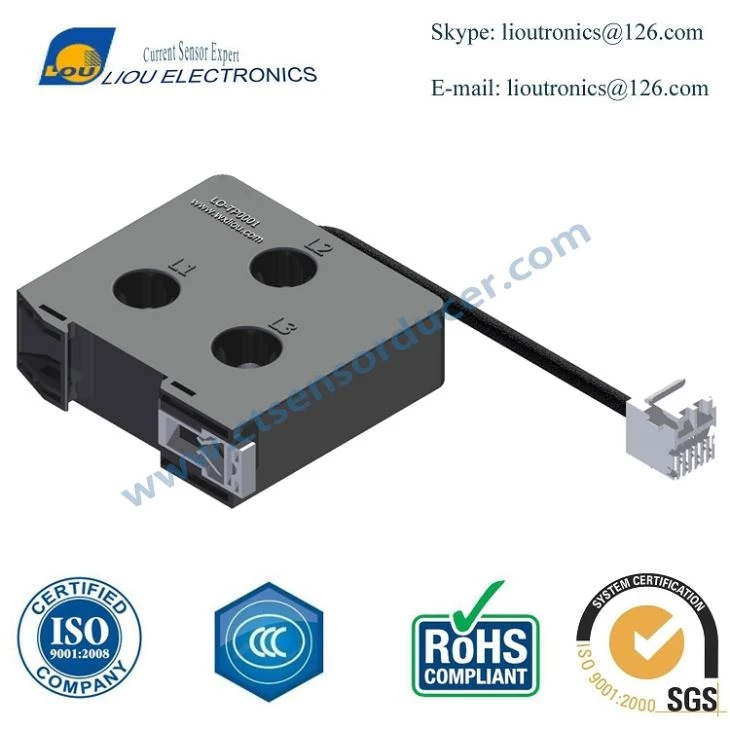
If you are interested in learning more about our Three Phase Current Transformer 1: 3000 or 2000 High Current Three Phase Current Sensor, or if you have any questions about maintenance costs, please feel free to contact us for a detailed discussion and to explore potential procurement opportunities.
References
- Electrical Power Systems by Turan Gonen
- Transformer Engineering: Design, Technology, and Diagnostics by G. B. Kliman