




What is the transient response of a High Voltage Current Transformer?
 Jul 23, 2026|
 As a supplier of High Voltage Current Transformers, I often encounter inquiries about the transient response of these crucial electrical devices. Understanding the transient response is essential for ensuring the reliable and accurate operation of power systems, especially in high - voltage applications. In this blog, I'll delve into what the transient response of a High Voltage Current Transformer is, its significance, and how it relates to our product offerings.
What is Transient Response?
The transient response of a High Voltage Current Transformer refers to its behavior during sudden changes in the electrical current, such as those caused by short - circuits, lightning strikes, or the switching on and off of large electrical loads. Unlike the steady - state response, which describes the transformer's performance under normal, constant - current conditions, the transient response deals with the transformer's ability to accurately reproduce the rapidly changing current waveform during these brief but significant events.
When a sudden change in current occurs, the magnetic field within the current transformer core also changes rapidly. This change in the magnetic field induces an electromotive force (EMF) in the secondary winding of the transformer. The transient response is characterized by how quickly and accurately the secondary current follows the changes in the primary current during this period.
Significance of Transient Response
In high - voltage power systems, accurate current measurement during transient events is of utmost importance. Protection relays rely on the current signals provided by current transformers to detect faults and initiate protective actions. If the current transformer has a poor transient response, it may not accurately represent the primary current during a fault, leading to incorrect operation of the protection relays. This can result in delayed or failed fault clearance, which can cause extensive damage to electrical equipment and disrupt the power supply.
For example, in a short - circuit situation, the primary current can increase to several times its normal value within milliseconds. A current transformer with a good transient response will be able to quickly and accurately transform this large, rapidly changing current to the secondary side, allowing the protection relays to detect the fault and isolate the affected part of the power system. On the other hand, a transformer with a poor transient response may produce distorted secondary current waveforms, leading to false tripping or failure to trip the protection relays.
Factors Affecting Transient Response
Several factors can affect the transient response of a High Voltage Current Transformer:
Core Material
The core material of the current transformer plays a crucial role in its transient response. Different core materials have different magnetic properties, such as saturation characteristics and hysteresis. For example, a core made of high - permeability materials like amorphous metal or high - grade silicon steel can provide better transient performance. These materials can handle large changes in the magnetic field without saturating quickly, allowing the transformer to accurately reproduce the primary current during transient events.
Winding Design
The design of the primary and secondary windings also affects the transient response. The number of turns, the winding configuration, and the insulation between the windings can all influence the transformer's inductance and resistance. A well - designed winding can minimize the effects of stray capacitance and inductance, which can cause distortion in the secondary current waveform during transients.
Burden
The burden connected to the secondary winding of the current transformer is another important factor. The burden represents the load impedance, such as the impedance of the protection relays and the connecting cables. A high burden can cause the secondary current to deviate from the ideal value during transients, leading to inaccurate current measurement. Therefore, it is important to select a current transformer with an appropriate burden rating to ensure good transient performance.
Our Product Offerings and Transient Response
At our company, we understand the importance of a good transient response in High Voltage Current Transformers. That's why we offer a range of high - quality products designed to meet the demanding requirements of modern power systems.
One of our popular products is the High Precision Current Transformer 1:2500 With Bus Bar 0.1 Class. This transformer is designed with a high - quality core material and a carefully optimized winding design to ensure excellent transient response. It has a low burden rating, which helps to minimize the distortion of the secondary current waveform during transients.
We also offer the High Precision current Transformer with primary bus bar. This product is suitable for high - voltage applications where accurate current measurement during transient events is critical. Its robust design and advanced technology make it capable of handling large changes in current without compromising its transient performance.

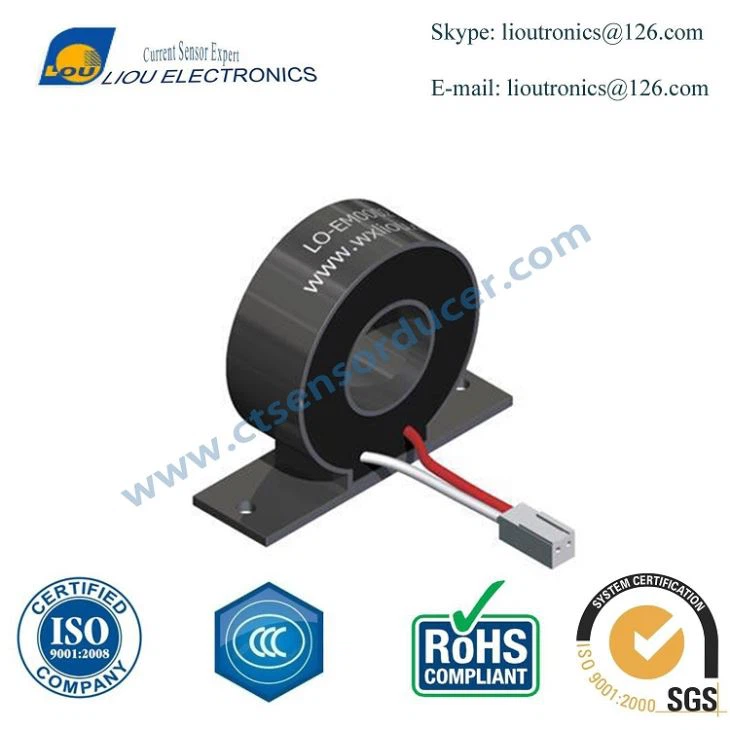
In addition to our high - voltage current transformers, we also provide Low Voltage Transformer options. These transformers are designed to meet the needs of low - voltage power systems and also offer good transient response characteristics.
How to Evaluate Transient Response
Evaluating the transient response of a High Voltage Current Transformer typically involves conducting laboratory tests. These tests can simulate various transient events, such as short - circuits and lightning strikes, and measure the transformer's secondary current waveform during these events.
One common test method is the impulse test, where a high - amplitude, short - duration current impulse is applied to the primary winding of the transformer. The secondary current waveform is then measured and analyzed to determine the transformer's transient response. Other test methods include the step - response test, where a step change in current is applied to the primary winding, and the fault - simulation test, which simulates a real - world fault scenario.
Conclusion
The transient response of a High Voltage Current Transformer is a critical aspect of its performance. It determines the transformer's ability to accurately measure current during sudden changes in the electrical system, which is essential for the proper operation of protection relays and the reliability of the power grid.
As a supplier of High Voltage Current Transformers, we are committed to providing our customers with products that offer excellent transient response characteristics. Our range of high - precision current transformers, including those with bus bars and low - voltage options, are designed to meet the diverse needs of power systems.
If you are in the market for High Voltage Current Transformers or have any questions about transient response, we encourage you to contact us for a detailed discussion. Our team of experts is ready to assist you in selecting the right product for your specific requirements.